



Planetary Retrogradation in Astrology: Meaning, Effects, and Real Chart Examples

Planetary Retrogradation in Astrology: Scientific and Symbolic Foundations
In astrological science, planetary retrogradation represents a highly significant phenomenon that alters the way planetary energies are expressed in a natal chart. Retrograde motion is an apparent astronomical effect observed when a planet appears to move backward relative to Earth’s perspective. While astronomically explainable, its symbolic meaning in astrology is profound and directly connected to psychology, destiny patterns, and karmic themes.
It is important to note that the Sun and the Moon can never be retrograde. Their motion defines time, consciousness, and life rhythm, making retrogradation impossible both astronomically and symbolically. All other planets, however, periodically enter retrograde motion, with Mercury being the most frequently retrograde planet.
Retrograde Mercury: Psychology, Communication, and Hidden Thought Processes
Retrograde Mercury represents a mental process that deviates from conventional logic. Individuals with this placement often think in ways that are difficult for others to interpret. Their thoughts may be deeply internalized, secretive, or expressed indirectly, giving the impression that no one truly understands what they are thinking.
- Unconventional thinking patterns and reversed logic
- Inclination toward secrecy, gossip, and hidden communication
- Mental inconsistency, sensitivity of the psyche, and delayed decisions
- Delays, hesitation, and frequent indecisiveness
Because Mercury is naturally weak in symbolism associated with Pisces and the 12th house, retrograde Mercury often brings challenges related to siblings, vehicles, keys, documentation, and communication tools. Problems while driving are common, especially in poor weather conditions such as rain, fog, or ice. Vehicles may frequently malfunction, be stolen, or cause difficulties when reversing.
Retrograde Mercury may also indicate complications involving siblings, as Mercury is the essential significator of brothers and sisters. In some charts, it can point to challenges involving children, including delayed parenthood, secret children, or adoption.
When well-aspected, retrograde Mercury is highly favorable for esoteric studies, occult sciences, and deep philosophical inquiry. These individuals are often among the most profound thinkers, capable of functioning effectively in unusual or extreme situations such as darkness, isolation, emergencies, or technical failures.
Case Study: Nostradamus and the Power of Retrograde Mercury
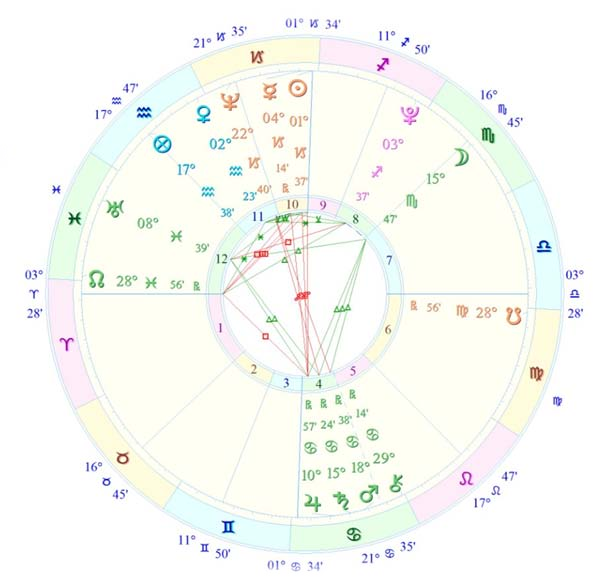
Michel de Nostredame (Nostradamus), born on December 24, 1503, in Saint-Rémy, France, represents a classic example of constructive retrograde Mercury. With Aries rising and a dominant Sun at the top of the 10th house, his horoscope indicates public recognition and lasting fame.
Mercury positioned near the Sun in Capricorn suggests renown achieved through words, knowledge, and prophecy. As ruler of the 3rd house of intellect and thought, Mercury’s retrograde motion confirms his orientation toward spiritual depth, mysticism, and timeless wisdom. The Capricorn influence ensured durability and authority across centuries.
Case Study: Princess Diana and Retrograde Mercury in the 7th House
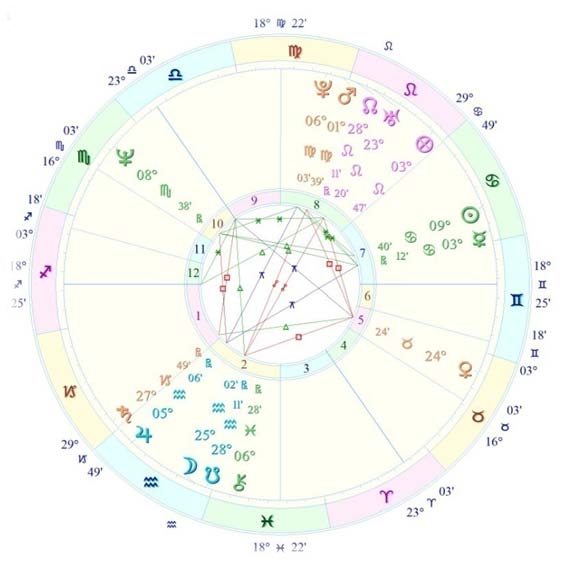
Princess Diana, born July 1, 1961, in Sandringham, England, had retrograde Mercury placed in the 7th house of partnerships. Her tragic death occurred in a vehicle alongside her partner, symbolically uniting Mercury (transport) and the 7th house (partners).
Mercury also ruled her 7th house, emphasizing marital difficulties, secrecy within relationships, and communication issues in marriage. This configuration illustrates how retrograde Mercury can manifest externally when poorly supported by aspects.
Mercury enters retrograde approximately every three months, remaining retrograde for about three weeks. During these periods, communication breakdowns, technical failures, and misunderstandings are statistically more frequent. Astrological tradition advises against purchasing electronic devices or signing important communication-related contracts during these times.
Retrograde Venus: Relationships, Values, and Emotional Reassessment
Retrograde Venus reflects hesitation in emotional and relational matters. Individuals may delay commitment, reconsider relationships, or experience love through secrecy or repetition.
- Delayed marriage or multiple marriages
- Secret relationships or infidelity
- Loss or theft of valuables such as jewelry, wallets, or luggage
- Rediscovery of lost items or people when well-aspected
Retrograde Venus often indicates the return of past relationships, usually unexpectedly. These reunions can prove beneficial, especially when Venus is dignified by sign and aspect.
Retrograde Mars: Distorted Energy and Hidden Aggression
Mars symbolizes raw energy, vitality, initiative, and combativeness. Retrograde Mars represents energy that is misdirected, suppressed, or distorted, often leading to internalized aggression or physical weakness.
- Rare retrogradation, occurring approximately every 20 months
- Loss of precision, strength, and decisiveness
- Hidden aggression and secret enemies
- In women’s charts: unreliable or cowardly male partners
Retrograde Mars may indicate headaches, as Mars rules the head, and its reversed motion suggests energetic blockage. However, when well-aspected, it grants exceptional luck in dangerous professions and heightened perceptiveness, particularly when connected to Mercury or the 3rd house.
Astrological tradition strongly advises against initiating new projects during Mars retrograde periods, as outcomes often lack momentum or clarity.
Retrograde Jupiter: Spiritual Expansion and Hidden Wisdom
Among all planets, Jupiter benefits most from retrogradation. As a co-ruler of Pisces, Jupiter naturally resonates with inward expansion and spiritual exploration.
- Deep spiritual insight and internal wisdom
- Hidden finances or discreet wealth management
- Distant teachers, mentors, or gurus
While direct Jupiter favors rapid material growth, retrograde Jupiter often delays material gains, sometimes causing losses. However, after periods of retreat or return from foreign lands, significant rewards frequently follow, provided Jupiter is well placed.
Conclusion: Retrogradation as a Tool of Inner Mastery
Retrograde planets do not signify weakness by default. Instead, they indicate internalization, revision, and karmic refinement of planetary principles. When understood correctly, retrogradation becomes a powerful tool for mastery, depth, and long-term wisdom rather than a source of fear or limitation.
Want a Personal Astrology Reading?
Get a personal astrology consultation based on your own chart.
Get a Personal ReadingIf this lesson was helpful, you may support the work and help keep all content freely available.
Support the Work