



Moon Synastry Aspects: Jupiter, Saturn, Uranus, Neptune & Pluto
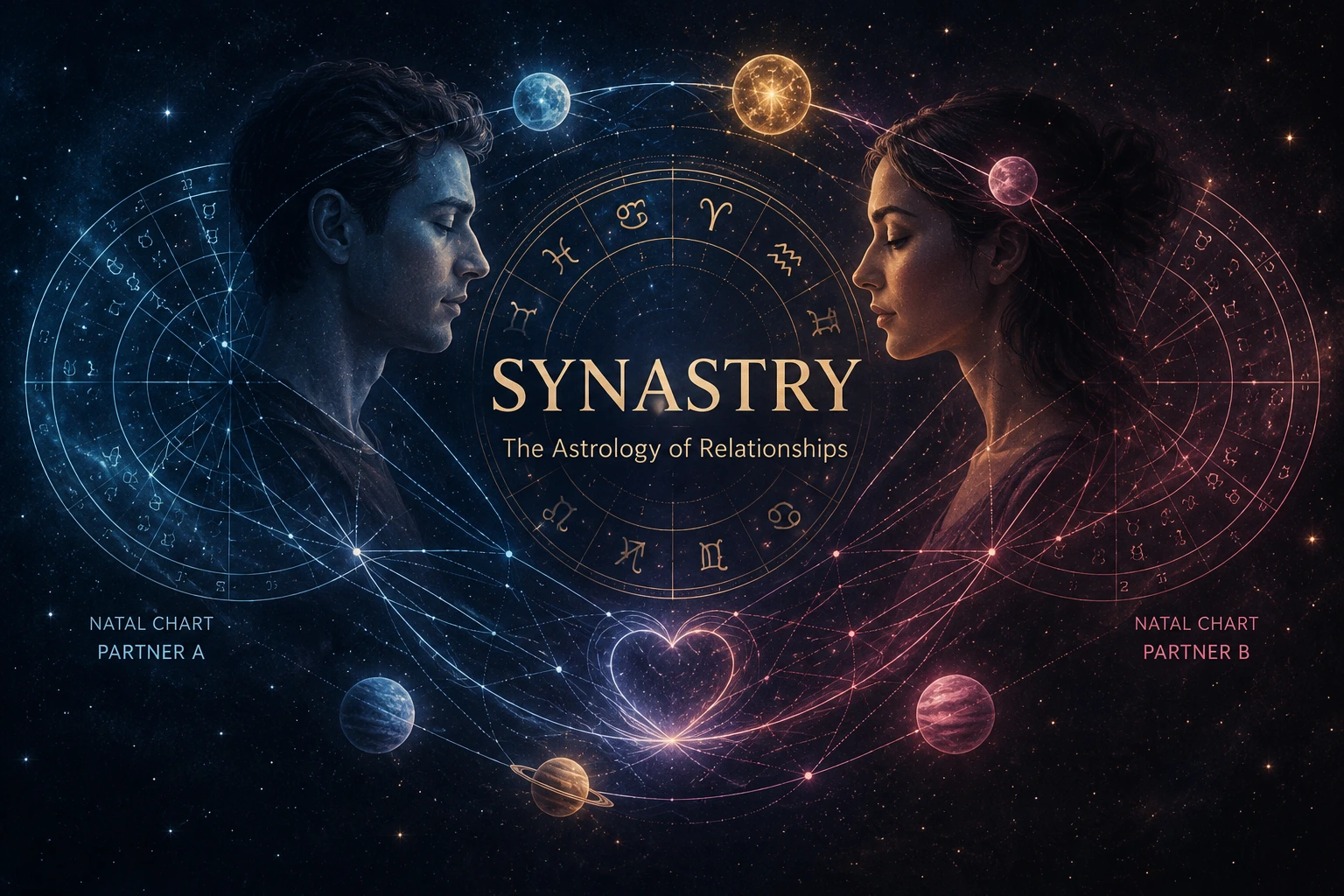
Moon–Jupiter aspects in synastry are associated with emotional generosity, optimism, trust, and the desire to build a fulfilling life together. Depending on the strength and condition of the aspect, this planetary combination can describe a relationship characterized by shared hopes, domestic comfort, family happiness, and opportunities for growth. To understand how these themes contribute to compatibility, it is important to examine the complete relationship pattern through synastry, rather than interpreting a single aspect in isolation.
Harmonious and Difficult Moon–Jupiter Aspects
A harmonious Moon–Jupiter aspect can symbolize emotional encouragement, mutual confidence, and a positive atmosphere between two people. The relationship may support plans involving a comfortable home, family life, education, travel, or even establishing a new life abroad. These possibilities represent different expressions of the same underlying symbolism: the Moon seeks emotional security, while Jupiter expands expectations and encourages growth.
However, a difficult Moon–Jupiter aspect can reflect a gap between expectations and reality. The partners may make ambitious plans without having the resources to fulfill them, or they may experience disappointment when circumstances prevent their shared hopes from becoming reality. Such an aspect does not necessarily dominate the relationship, but it can introduce an important secondary theme involving excessive expectations, unfinished plans, or declining confidence.
Moon–Jupiter as a Shared Relationship Pattern
The relationship between astrologers Liz Greene and Howard Sasportas illustrates how Moon–Jupiter symbolism can manifest through shared intellectual and educational work. Their collaboration and the establishment of the Centre for Psychological Astrology provide an example of a relationship becoming a setting for teaching, learning, and the development of astrological knowledge. In the astrological interpretation presented here, their Moon–Jupiter conjunction in Sagittarius reflects themes of expansion, education, and the exchange of ideas.
The significance of this example is not that every Moon–Jupiter conjunction produces the same outcome. Rather, it demonstrates how a planetary contact can become meaningful when it corresponds with the broader symbolism of both natal charts and the activities developed through the relationship.
Moon–Saturn, Moon–Uranus, Moon–Neptune, and Moon–Pluto
Other Moon contacts create different emotional dynamics. Moon–Saturn aspects can emphasize responsibility, endurance, emotional restraint, or a sense of burden. Supportive contacts may strengthen stability and commitment, while difficult ones can reflect emotional distance or circumstances that test the relationship over time.
Moon–Uranus aspects introduce themes of independence, unpredictability, and change. They can bring excitement and originality, but challenging contacts may make domestic stability more difficult to maintain. Moon–Neptune aspects emphasize sensitivity, idealization, and emotional intuition, although difficult configurations can also bring confusion or disappointment. Moon–Pluto aspects intensify attachment and emotional involvement, sometimes producing profound closeness and, in more difficult expressions, jealousy or possessiveness.
Identifying the Dominant Synastry Aspects
Not every aspect in a synastry chart carries equal importance. The astrologer must identify the strongest configurations and determine which ones establish the central character of the relationship. Exact aspects deserve particular attention, but their meaning must still be assessed alongside the natal condition of the planets and the other connections between the charts.
For a broader framework for evaluating planetary contacts and distinguishing dominant influences from secondary ones, explore this guide to the most important synastry aspects. Understanding this hierarchy makes it easier to interpret Moon contacts in context and explain how emotional security, optimism, responsibility, instability, sensitivity, and intensity combine within a relationship.
🔒 Continue Reading
This lesson is part of the Advanced Astrology Course. Unlock permanent Advanced access to read the complete lesson.
Please register for free course access before purchasing Advanced access.
Get Free Course AccessWant a Personal Astrology Reading?
Get a personal astrology consultation based on your own chart.
Get a Personal ReadingIf this lesson was helpful, you may support the work and help keep all content freely available.
Support the Work